

Why invest in durable hats? 5 benefits for 2026
A hat sitting on a shelf looks like a simple accessory. But the right hat, built to last, is closer to a piece of gear. For Kiwis dealing with intense UV, unpredictable rain, and a lifestyle that moves between city streets and mountain trails, a durable hat does real work every single day. 75% of NZ consumers prefer eco-friendly, durable products, and merino wool leads the charge for both daily wear and outdoor performance. This article breaks down exactly what durability means for hats, why it matters for your wallet and your wardrobe, and how to make the most of every hat you own.
Table of Contents
- What does ‘durable’ mean for hats?
- How durable hats perform for everyday and outdoor use
- Durable hats and NZ fashion: balancing style and substance
- Making your investment last: care tips for durable hats
- Ready to upgrade? Find your next durable NZ hat
- Frequently asked questions
Key Takeaways
| Point | Details |
|---|---|
| Invest in quality | Choosing a durable hat gives you better comfort, style, and value for money in the long run. |
| Material matters | Merino wool and technical blends deliver the best mix of resilience and performance for NZ conditions. |
| Fashion meets function | Today’s durable hats offer eco-friendly options without sacrificing modern kiwi style. |
| Care is key | A few simple care steps can maximize your hat’s life and keep it looking new for years. |
What does ‘durable’ mean for hats?
Durability is not just about a hat surviving a few washes. It means the hat holds its shape, resists weather, and stays comfortable after months of regular use. For New Zealanders, that standard is high. You need headwear that can handle coastal wind, summer UV, and the occasional downpour without falling apart.
The materials used in a hat are the biggest factor. Merino wool and sustainable textiles dominate the NZ hat market because they balance durability with comfort in a way synthetic-only fabrics often cannot. Merino fibers are naturally elastic, which means they bounce back after being compressed or stretched. Cotton is breathable but can lose shape when wet. Technical blends, often used in outdoor caps, combine synthetic strength with moisture management.
Craftsmanship matters just as much as fabric. A hat made from premium merino but with weak stitching will fail faster than a well-constructed cotton cap. Look for popular hat fabrics that are paired with quality construction details. When selecting durable headwear, pay attention to how the brim is finished and whether seams are reinforced.
| Material | Weather resistance | Shape retention | Breathability | Longevity |
|---|---|---|---|---|
| Merino wool | High | Excellent | High | 5+ years |
| Cotton canvas | Moderate | Good | High | 2-4 years |
| Synthetic blend | High | Very good | Moderate | 3-5 years |
| Straw/natural fiber | Low | Moderate | Very high | 1-2 years |
Key features to check before buying:
- Reinforced brim edges that resist fraying
- Double-stitched seams at stress points like the crown and sweatband
- Quality sweatband lining that resists moisture damage
- Structured crown panels that hold their form over time
Pro Tip: Run your fingers along the brim edge and inner seams before purchasing. If the stitching feels loose or the brim flexes unevenly, the hat will not hold up to regular use.
How durable hats perform for everyday and outdoor use
Knowing what to look for is one thing. Seeing how it plays out in real life is another. Durable hats earn their price tag through consistent performance across a wide range of situations that Kiwis actually face.
For everyday city wear, breathability and odor resistance are the top priorities. Merino wool naturally resists odor-causing bacteria, which means you can wear a merino cap through a full day of commuting and meetings without it smelling stale. That is a genuine quality-of-life upgrade. Budget hats made from low-grade polyester trap heat and odor quickly.
Outdoors, the stakes are higher. New Zealand has some of the highest UV levels in the world, and sun protection is not optional. Premium sun hats scored 83/100 for protection, comfort, and durability in independent tests, compared to budget options that scored significantly lower. A hat rated UPF 50+ blocks over 98% of UV radiation, which is a meaningful difference on a full-day hike or a beach afternoon.
| Feature | Premium durable hat | Budget hat |
|---|---|---|
| UV protection | UPF 50+ | UPF 15-30 |
| Shape after rain | Retains form | Often distorts |
| Odor resistance | High (merino) | Low |
| Comfort over 8 hours | Excellent | Moderate |
| Estimated cost per year | $15-25 | $30-50 |
The cost-per-year comparison surprises most people. A $120 premium hat lasting five years costs you $24 per year. A $40 budget hat replaced every 12 to 18 months costs far more over the same period.
Scenarios where durable hats clearly outperform:
- Urban commutes: Structured caps hold their shape through bags and backpacks
- Hiking: UPF-rated brims and moisture-wicking sweatbands keep you comfortable for hours
- Camping: Weather-resistant materials handle morning dew and unexpected showers
- Festivals: Durable hats survive crowds, sun, and the occasional spill
- Travel: Packable yet shape-retaining designs bounce back after being stuffed in luggage
Explore premium outdoor headwear options and learn about the different outdoor hat types suited to active Kiwi lifestyles.
Pro Tip: Choose hats rated UPF 50+ for real sun safety in NZ. The UV index regularly hits 11 or above during summer, which is classified as extreme. A standard cotton cap offers almost no meaningful UV protection at those levels.
Durable hats and NZ fashion: balancing style and substance
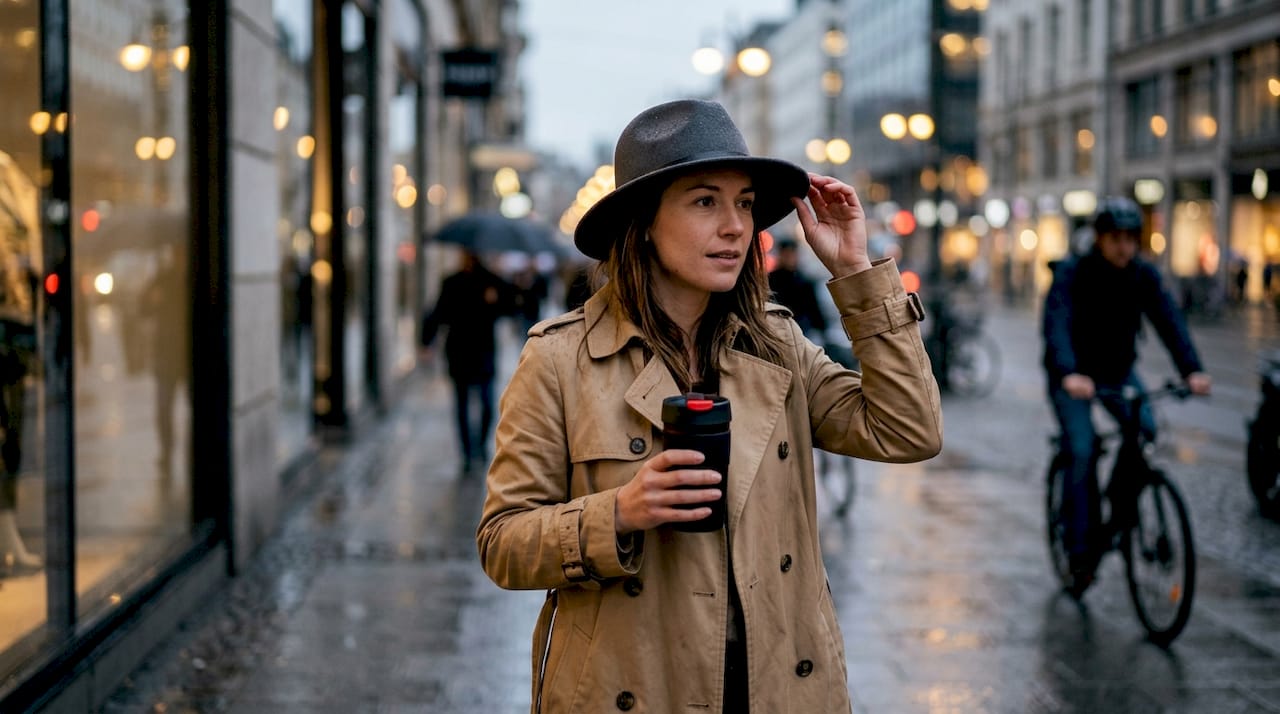
Performance matters, but Kiwis also care deeply about how they look. The good news is that durability and style are not competing priorities. In fact, the most fashionable hat choices in New Zealand right now are also the most durable ones.
Fashion-forward consumers prefer versatile, eco-friendly, and long-lasting hat designs. This shift reflects a broader cultural awareness in New Zealand around sustainability and conscious buying. Choosing a hat that lasts is not just practical, it is a values statement.
“75% of NZ consumers prefer eco-friendly, durable hats, style included.”
Top durable hat styles seen in NZ streetwear and fashion right now:
- Structured wool caps: Clean lines, neutral tones, and premium texture make these a go-to for urban dressing
- Wide-brim merino fedoras: Heritage-inspired shapes that work from the farmers market to a weekend brunch
- Technical outdoor caps: Functional silhouettes in earthy colors that cross over from trail to town effortlessly
Pairing durable hats with your wardrobe is straightforward. Neutral colors like olive, tan, charcoal, and navy work across casual and smart-casual outfits. A structured flat cap in wool pairs well with a linen shirt and chinos. A technical cap in a muted tone completes a layered outdoor look without looking out of place in a cafe afterward.
Learn more about hats and NZ fashion and discover fashion-forward headwear options that do not sacrifice function for looks.
Making your investment last: care tips for durable hats
Buying a quality hat is the first step. Taking care of it properly is what turns a good purchase into a long-term investment. The right care routine adds years to any hat, regardless of material.
Merino hats offer strong odor resistance and longevity with basic care, but even the toughest materials benefit from consistent maintenance. Here is a simple routine that works for most premium hats:
- Spot clean first. Use a damp cloth and mild soap to address small marks immediately. Do not wait for stains to set.
- Hand wash when needed. Fill a basin with cool water and a small amount of wool-safe detergent. Gently squeeze, never wring.
- Reshape while damp. After washing, place the hat on a clean towel and reshape the crown and brim by hand. Let it air dry away from direct heat.
- Store properly. Keep structured hats on a hat stand or in a box. Avoid stacking heavy items on top of them.
- Brush wool and felt regularly. A soft-bristle hat brush removes dust and lint and keeps the fabric looking fresh between washes.
- Protect from prolonged sun exposure when not wearing. UV degrades fabric over time, even on durable materials.
Pro Tip: Never fold or crush a structured brim to fit it into a bag. If your hat gets rained on, let it dry naturally in its correct shape. Forcing a wet structured hat into a compressed space will permanently distort the brim.
For merino and wool hats specifically, avoid hot water and machine washing unless the label explicitly says it is safe. Heat causes wool fibers to felt and shrink, which is irreversible. A little care goes a long way. Check the durable hat selection guide for more guidance on matching care routines to specific materials.
Ready to upgrade? Find your next durable NZ hat
You now know what makes a hat genuinely durable, how it performs across real Kiwi scenarios, and how to keep it looking great for years. The next step is finding the right one.

At Urban Caps, we stock a curated range of premium hats built for both everyday wear and outdoor adventures across New Zealand. From structured wool caps and wide-brim fedoras to technical outdoor styles, every hat in our collection is chosen for quality craftsmanship and lasting performance. We are proudly NZ owned and operated, with fast local delivery and real product knowledge behind every recommendation. Browse our full range and read more about why investing in quality hats pays off in the long run. Your next favorite hat is one click away.
Frequently asked questions
Are durable hats really worth the higher price?
Yes. Premium sun hats outlast and outperform budget options in independent tests, and the lower cost-per-year makes them the smarter financial choice over time.
What materials are best for durable everyday and outdoor hats?
Merino wool and quality technical blends are the top choices. The NZ market favors merino for its breathability, natural odor resistance, and ability to handle both warm and cool conditions.
How do I know if a hat is durable?
Check the stitching, brim construction, and material label. NZ quality guidance points to dense seams, reinforced stress points, and trusted materials as the key indicators of a hat built to last.
Can durable hats be stylish as well as practical?
Absolutely. Fashion-forward consumers in NZ increasingly prefer hats that combine eco-friendly materials, long-term durability, and contemporary design, proving that style and substance work best together.