

Types of outdoor hats for active Kiwis: sun-smart 2026
Choosing the right outdoor hat in New Zealand means balancing sun protection, comfort, and style for everything from alpine hikes to coastal walks. With intense UV exposure year-round and diverse outdoor pursuits, active Kiwis need headwear that performs across varied conditions while reflecting personal style. This guide explores essential selection criteria, popular hat types, performance comparisons, and activity-specific recommendations to help you find the perfect outdoor hat that you’ll actually want to wear every day.
Table of Contents
- How To Choose The Right Outdoor Hat: Key Criteria For Active Kiwis
- Popular Types Of Outdoor Hats And Their Features
- Comparing Top Outdoor Hats: Protection, Comfort & Style
- Choosing The Right Outdoor Hat For Your Activities And Style
- Find Your Perfect Outdoor Hat Today At Urban Caps
- Frequently Asked Questions
Key takeaways
| Point | Details |
|---|---|
| UPF 50+ rating essential | Blocks 98% of harmful UV radiation for maximum skin protection during outdoor activities |
| Brim width matters | 3+ inch brims provide optimal sun coverage for face, ears, and neck |
| Material impacts comfort | Breathable synthetics with moisture-wicking properties outperform cotton for active use |
| Activity dictates style | Helmet compatibility, packability, and weather resistance vary significantly across hat types |
| Balance function and fashion | Best hats combine protective features with designs you’ll wear consistently |
How to choose the right outdoor hat: key criteria for active Kiwis
Selecting outdoor headwear requires evaluating multiple performance factors beyond simple aesthetics. Understanding these criteria helps you prioritize features that matter most for your specific activities and environment.
Sun protection stands as the primary consideration for outdoor hats. UPF 50+ blocks 98% UV radiation, providing essential defense against New Zealand’s harsh sun. Brim width directly correlates with coverage area, with 3+ inches offering optimal protection for your face, ears, and neck. Smaller brims leave vulnerable areas exposed, increasing sunburn and long-term skin damage risk.
Material selection dramatically affects comfort during extended wear. Breathable fabrics like nylon mesh or polyester allow air circulation, preventing overheating during strenuous activities. Water-resistant treatments (DWR finish) shed light rain and dry quickly after unexpected showers. Lightweight, packable materials compress easily into backpacks without losing shape, crucial for multi-day adventures where space matters.
Fit and ventilation features enhance wearability across conditions. Adjustable chinstraps secure hats during windy ridge walks or water activities, preventing frustrating losses. Mesh panels integrated into crown designs promote airflow, reducing sweat buildup during high-output efforts. Adjustable sizing systems accommodate different head shapes and allow fine-tuning for comfort.
Activity compatibility determines practical usability. Consider whether your hat fits under climbing helmets, interferes with backpack straps, or provides adequate warmth for winter conditions. Hats that clash with essential gear end up left behind, wasting their protective potential.
Balancing style with function depends on your intended use. Casual town wear prioritizes aesthetics, while backcountry expeditions demand maximum protection regardless of appearance. The best hats every season merge both considerations, offering versatile options that transition seamlessly between environments.
Pro Tip: Test potential hats with your actual outdoor gear before purchasing. Wear it with your backpack, helmet, or sunglasses to identify any interference issues that could make the hat impractical for real-world use.
Popular types of outdoor hats and their features
Understanding the distinct characteristics of each hat category helps match designs to your specific outdoor pursuits and style preferences.
Brimmer hats feature wide, circular brims extending 3 to 4+ inches around the entire crown. They deliver comprehensive 360-degree sun protection, shielding your face, ears, neck, and shoulders from UV exposure. These hats excel during intense sun exposure like beach days or open trail hiking. However, their broad profile can catch wind and interfere with backpack shoulder straps, making them less ideal for technical climbing or heavily loaded treks.
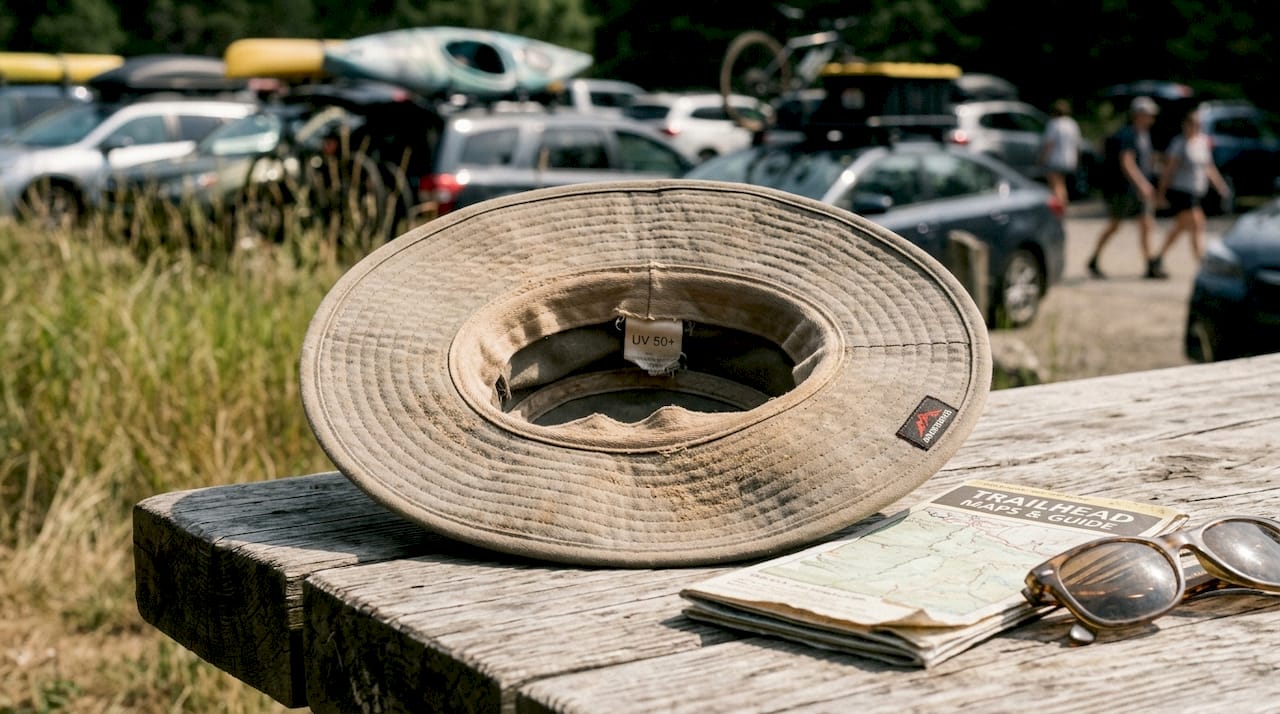
Bucket hats offer lightweight, packable designs with downward-sloping brims that provide moderate sun coverage. Their floppy, unstructured construction compresses easily into pockets or packs. Breathable fabrics keep you cool during casual hikes or town exploration. The softer brim structure sacrifices some UV protection compared to stiffer, wider alternatives, making them better suited for shorter outings or less intense sun exposure.
Baseball caps with neck capes combine familiar cap styling with added rear protection. The traditional front brim shields your face while a removable or integrated cape covers your neck and ears. Quick-dry materials handle sweat and moisture effectively. These designs fit comfortably under climbing helmets and work well for running or cycling where aerodynamics matter. The cape addition significantly improves protection over standard caps.
Boonie hats feature military-inspired designs with wide, stiff brims that maintain shape in wind and rain. Their structured construction provides reliable sun blockage without collapsing against your face. Moderate packability makes them reasonable for backpacking, though less compressible than bucket styles. Ventilation eyelets and breathable fabrics enhance comfort during active use.
Straw hats prioritize fashion and breathability for casual outdoor settings. Natural fibers provide excellent ventilation, keeping you cool during low-intensity activities. Their stylish appearance suits beach outings, garden work, or town wear perfectly. However, fragile construction fails under rugged trail conditions, and minimal UV protection leaves you vulnerable during extended sun exposure.
Warm hats like beanies and balaclavas serve cold-weather needs rather than sun protection. Insulating materials trap heat during winter hiking, skiing, or alpine pursuits. These essential pieces layer under helmets or hoods, providing versatile warmth management. Focus shifts from UV defense to thermal regulation and moisture management in freezing conditions.
Explore sports hat examples for Kiwis to see how different styles adapt to specific athletic pursuits and performance requirements.
Comparing top outdoor hats: protection, comfort & style
Direct performance comparisons reveal how leading outdoor hats stack up across critical metrics, helping you identify the best option for your priorities.
| Hat Model | UPF Rating | Brim Width | Weight | Packability | Comfort Score | Style Rating |
|---|---|---|---|---|---|---|
| Sunday Afternoons Ultra Adventure | 50+ | 4 inches | 3.2 oz | Excellent | 9/10 | 7/10 |
| Outdoor Research Sun Runner | 50+ | 3.5 inches | 2.8 oz | Outstanding | 8/10 | 6/10 |
| Standard Bucket Hat | 30-40 | 2.5 inches | 2.5 oz | Good | 7/10 | 8/10 |
| Straw Fedora | 15-25 | 2 inches | 4.0 oz | Poor | 6/10 | 9/10 |
| Wool Beanie | N/A | None | 3.0 oz | Fair | 8/10 | 7/10 |
The Ultra Adventure Hat scores 83/100 overall, excelling in comfort and protection with its generous brim, integrated neck cape, and packable design. This combination makes it ideal for extended outdoor exposure where sun defense matters most. The cape adds crucial neck coverage without requiring separate accessories.
Sun Runner Cap achieves 72/100 with exceptional packability and a removable cape system. Its lighter weight and compressible construction appeal to ultralight backpackers and runners. The removable cape offers flexibility, though some users report slightly more heat retention compared to fixed designs during high-output activities.
Bucket hats sacrifice protection for style and casual comfort. Their lower UPF ratings and narrower brims leave more skin exposed, making them suitable for shorter outings or less intense sun. The fashion-forward aesthetic and supreme packability work well for travelers prioritizing versatility over maximum defense.
Straw fedoras deliver unmatched style but minimal practical protection. Fragile construction and poor UV blocking relegate them to casual settings like beach bars or garden parties. Their inability to withstand trail conditions or provide adequate sun defense makes them impractical for serious outdoor pursuits.
Warm hats serve entirely different needs, focusing on insulation rather than sun protection. Quality wool beanies regulate temperature effectively while managing moisture, essential for cold-weather activities where sun exposure decreases but thermal management becomes critical.
Pro Tip: Before committing to any hat, test how its brim interacts with your backpack’s shoulder straps and sternum strap. Wide brims can catch on straps during head turns, creating frustrating interference that makes you less likely to wear the hat consistently.
“The best sun hat is the one you’ll actually wear. Prioritize fit, comfort, and usability over pure protection specs, because an unworn UPF 50+ hat offers zero defense.”
Discover how protective headwear integrates into complete sun-smart fashion headwear strategies that balance safety with personal style expression.
Choosing the right outdoor hat for your activities and style
Matching hat types to specific activities and personal preferences ensures you select headwear that enhances rather than hinders your outdoor experiences.
Best hats by activity:
- Hiking and backpacking: Wide-brim hats like Ultra Adventure or Sun Runner with UPF 50+ protection, packable designs, and neck coverage handle extended trail exposure effectively
- Trail running: Lightweight baseball caps with removable capes offer aerodynamic profiles and helmet compatibility while protecting key areas
- Beach and water activities: Quick-dry bucket hats or brimmers with secure chinstraps prevent losses during swimming or windy conditions
- Rock climbing: Low-profile caps that fit under helmets without interference, prioritizing front sun protection over full coverage
- Cold weather hiking: Insulating wool beanies or fleece-lined caps that manage moisture and layer under hoods or helmets
- Casual town wear: Stylish straw fedoras or fashion-forward bucket hats that complement everyday outfits while providing basic sun defense
Decision framework for selecting your ideal outdoor hat:
- Identify your primary outdoor activities and how frequently you pursue each one
- Evaluate sun exposure intensity and duration for your typical outings
- Determine your style preferences and whether you prioritize fashion or pure function
- Check compatibility with essential gear like helmets, backpacks, or sunglasses
- Assess packability needs based on whether you carry the hat or wear it continuously
- Test fit and comfort to ensure you’ll wear the hat consistently rather than leaving it behind
For Kiwis, packable UPF 50+ hats work great for hiking and backpacking where sun intensity demands serious protection. Baseball caps suit climbing and helmet sports where low profiles matter more than comprehensive coverage. Straw and fedora styles better serve casual town wear or beach settings where fashion and breathability outweigh rugged durability needs.
Avoid fragile straw hats for technical trails or backcountry adventures. Their delicate construction fails under branch snags, pack compression, or rough handling. Synthetic materials with reinforced stitching withstand trail abuse while maintaining protective properties through multiple seasons.
Layer warm headwear strategically during New Zealand winters. Start with moisture-wicking base layers like merino beanies, then add insulating options as temperatures drop. This approach provides better temperature regulation than single heavy hats, allowing you to adjust as activity intensity changes.
Consistency matters more than perfection. The hat you wear every outing provides infinitely more protection than the technically superior option left in your closet. Choose designs that match your actual behavior patterns and style preferences rather than idealized versions of outdoor pursuits.
Check out top summer hats NZ for seasonal recommendations that address New Zealand’s specific climate challenges and outdoor lifestyle patterns.
Find your perfect outdoor hat today at Urban Caps
Now that you understand the criteria, types, and selection strategies for outdoor hats, it’s time to explore quality options that balance protection with personal style. Urban Caps offers curated collections designed specifically for active Kiwis who refuse to compromise between function and fashion.

Our diverse selection includes everything from UV-protective adventure hats perfect for backcountry treks to stylish fedoras hat collection that transition seamlessly from trails to town. For colder months, explore our men’s warm woolen fedoras that provide insulation without sacrificing style. Looking for versatile color options? Our multicolor fedoras hats complement any outdoor wardrobe while delivering the quality craftsmanship you need for New Zealand conditions. As a trusted local source, we understand Kiwi outdoor lifestyles and stock headwear that performs across our unique environments, backed by fast NZ delivery and dedicated customer support.
Frequently asked questions
What is UPF in outdoor hats and why is it important?
UPF (Ultraviolet Protection Factor) measures how much UV radiation fabric blocks, similar to SPF for sunscreen. UPF 50+ blocks approximately 98% of harmful rays, significantly reducing sunburn risk and long-term skin damage. Higher UPF ratings provide better protection during extended outdoor exposure, making them essential for active Kiwis facing New Zealand’s intense sun.
Are straw hats good for hiking and rugged outdoor use?
Straw hats excel at breathability and casual style but lack durability and UV protection for serious hiking. Their fragile construction breaks easily under trail conditions, backpack compression, or rough handling. Reserve straw styles for beach outings, garden work, or town wear where fashion matters more than rugged performance. Choose synthetic materials with reinforced stitching for actual trail use.
How do I choose a hat that fits well with my backpack or helmet?
Look for hats with flexible or removable brims that accommodate gear without constant interference. Adjustable features like removable neck capes provide versatility across different activities and equipment. Always test hats while wearing your actual backpack or helmet before purchasing, turning your head through full range of motion to identify any catching or uncomfortable pressure points. Visit sports hats fitting backpacks and helmets for specific compatibility examples.
How often should I replace my outdoor hat?
Replace outdoor hats when UV protection degrades, typically after 2 to 3 years of regular use and sun exposure. Visible signs include fabric thinning, color fading, loss of water resistance, or structural damage like torn brims. Hats worn daily in intense sun degrade faster than occasional-use options. Proper care like hand washing and air drying extends lifespan significantly.
Can I wear the same hat for all outdoor activities?
Versatile hats like wide-brim adventure styles or caped baseball caps handle multiple activities reasonably well, but specialized pursuits benefit from purpose-built designs. Climbing requires helmet-compatible low profiles, while cold-weather hiking needs insulating materials over sun protection. Most active Kiwis benefit from owning 2 to 3 hats covering different conditions rather than forcing one style across incompatible scenarios.