

Hats in Kiwi culture: tradition, identity, and style
TL;DR:
- Kiwi hats symbolize cultural identity, status, and personal expression rooted in Māori traditions.
- Modern headwear blends heritage patterns, sustainable materials, and practical designs for outdoor life.
- Hat choices in New Zealand reflect pride, environment awareness, and evolving social and cultural values.
Hats in New Zealand carry weight far beyond sun protection. They tell stories of ancestry, signal belonging, and spark conversations about who we are as a people. From the carefully woven pōtae of Māori tradition to the bucket hats worn at Waitangi Day gatherings, headwear in Aotearoa has always meant something deeper. If you think of a hat as just an accessory, this article will change that. We’ll walk through the indigenous roots, the power of status symbols, the rise of streetwear expression, and the modern trends shaping Kiwi headwear culture today.
Table of Contents
- Māori hat traditions: Function, weaving, and symbolism
- Hats as status: From huia feathers to contemporary statements
- Personal expression: Hats in New Zealand streetwear and outdoor living
- Modern headwear trends: Tradition meets innovation
- Why the role of hats in Kiwi culture is more relevant than ever
- Express your Kiwi identity with premium headwear
- Frequently asked questions
Key Takeaways
| Point | Details |
|---|---|
| Deep Māori roots | Traditional Māori hats and feather adornments symbolize practicality, status, and identity. |
| Contemporary statement | Hats in Kiwi culture are powerful markers of personal style, protest, and belonging. |
| Tradition meets trend | Modern New Zealand headwear merges heritage materials with innovative design and UV protection. |
| Cultural and practical value | Hats remain essential for UV protection, self-expression, and honoring Kiwi history in daily life. |
Māori hat traditions: Function, weaving, and symbolism
Long before European settlers arrived, Māori communities were already crafting headwear with purpose and skill. The pōtae, a traditional Māori hat, was woven from natural materials including houhere fiber, a plant-based resource valued for its flexibility and durability. These hats were not decorative novelties. They were practical tools for daily life, shielding wearers from the sun during work in the fields, on the water, and across open land.
The craft behind each pōtae is called raranga, the Māori art of weaving. Raranga is not just a skill. It is a cultural practice passed down through generations, carrying the knowledge, stories, and identity of the community. A woven hat was, in many ways, a physical expression of cultural continuity.
Here is what made pōtae significant beyond their function:
- Material choice reflected what was locally available and seasonally appropriate
- Weaving patterns could signal regional identity or family connections
- Craftsmanship quality indicated the skill level of the maker and the care given to the wearer
- Ceremonial use elevated certain hats beyond everyday wear into objects of respect
For a broader look at how these traditions feed into today’s premium style guide for NZ, the connection between heritage and modern headwear is clearer than you might expect.
“The pōtae represents more than protection from the elements. It is a living artifact of Māori ingenuity, community, and identity woven into every fiber.”
During the colonial period, Māori weavers began incorporating new materials and styles introduced by European settlers, blending traditions rather than abandoning them. This adaptability is a key part of why Māori hat culture survived and evolved. You can explore more about timeless hat styles NZ to see how these early forms influenced what Kiwis wear outdoors today.
The pōtae is a reminder that functional design and cultural meaning are not opposites. They can exist in the same object, worn on the same head, every single day.
Hats as status: From huia feathers to contemporary statements
Not all head adornments were about practicality. Some were about power. In Māori society, the huia feather was one of the most prestigious decorations a person could wear. Huia feathers signified status, worn singly or in plumes by high-ranking individuals during ceremonies, including funerals. The huia bird itself became extinct in the early 20th century, making these feathers even more symbolically charged over time.
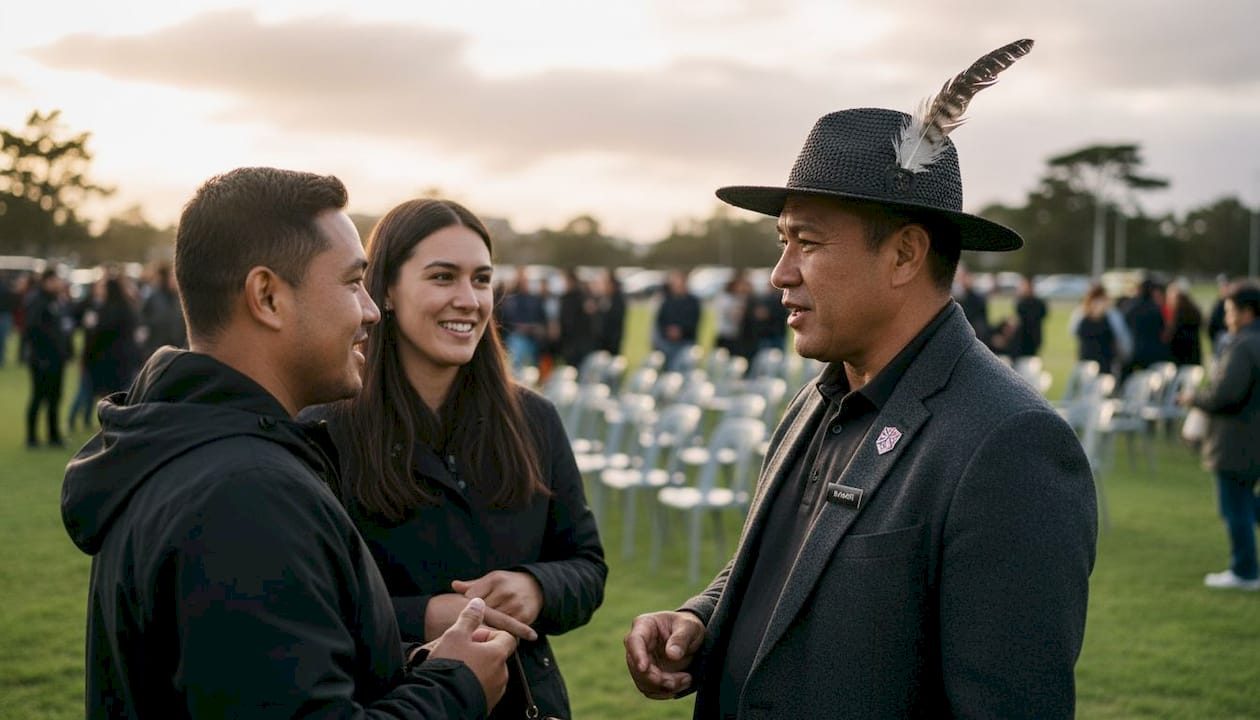
Wearing a huia feather was not a casual fashion choice. It communicated mana (prestige and authority) and respect within the community. It told others exactly who you were and where you stood.
Fast forward to today, and that same communicative power lives on in different forms. Here is a comparison of how status headwear has shifted:
| Era | Status symbol | What it communicated |
|---|---|---|
| Pre-European Māori | Huia feather headdress | Rank, mana, ceremonial role |
| Colonial period | Top hat or bowler hat | Wealth, European alignment |
| Mid-20th century | Military beret or cap | Service, discipline, national pride |
| Today | Streetwear caps, statement hats | Values, subculture, personal brand |
Modern statement hats work the same way. A cap with a political slogan, a beanie from a local brand, or a carefully chosen fedora all send signals. They tell people what you care about, who you align with, and how you see yourself. The role of headwear in streetwear culture in New Zealand reflects this perfectly, where hats have become shorthand for identity.
Pro Tip: When choosing a statement hat, think about what you want it to say before you think about how it looks. The most powerful hat choices are intentional ones.
Protest culture in New Zealand has also leaned on hats as tools. Activists and community leaders have used headwear at marches and public events to signal solidarity, resistance, and pride. The hat, in this context, becomes a small but visible flag.
Personal expression: Hats in New Zealand streetwear and outdoor living
For most Kiwis, hats are part of daily life. Whether you are heading to a Saturday market in Wellington, tramping through the Tongariro Alpine Crossing, or catching a game at Eden Park, your hat is doing work. It protects you, yes. But it also expresses you.
Woven hats at Waitangi Day gatherings show how headwear blends with taonga and kākahu to communicate politics, pride, and resistance all at once. This is not a new phenomenon. It is a continuation of a tradition that has always understood the hat as a communicator.
Here are the most common Kiwi hat styles and where you will find them:
- Bucket hat — Beach days, music festivals, and urban streetwear. Relaxed and versatile.
- Wide-brim sun hat — Outdoor work, gardening, and long hikes where UV protection matters most.
- Beanie — Winter city wear, ski fields, and casual everyday looks.
- Flat cap — Farmers markets, heritage events, and smart-casual outings.
- Fedora — Evening events, fashion-forward city looks, and cultural gatherings.
- Snapback cap — Sports events, gym culture, and youth streetwear.
The hats in fashion NZ landscape is rich because Kiwis live across such varied environments. A Christchurch local needs different headwear than someone in Northland, and both care about looking good while staying practical.
Pro Tip: Mix a traditional woven style with modern streetwear pieces for a look that feels authentically Kiwi. Pair a structured fedora with a relaxed linen shirt and you have got something that works from the city to the coast.
Sports culture also plays a massive role. Sports hats in NZ range from team caps worn at rugby matches to performance headwear built for trail running and cycling. The hat is always present, always saying something.
Modern headwear trends: Tradition meets innovation
Today’s hat market in New Zealand is evolving fast. Designers and brands are pulling from Māori weaving traditions, global fashion movements, and cutting-edge fabric technology to create headwear that is both meaningful and functional.
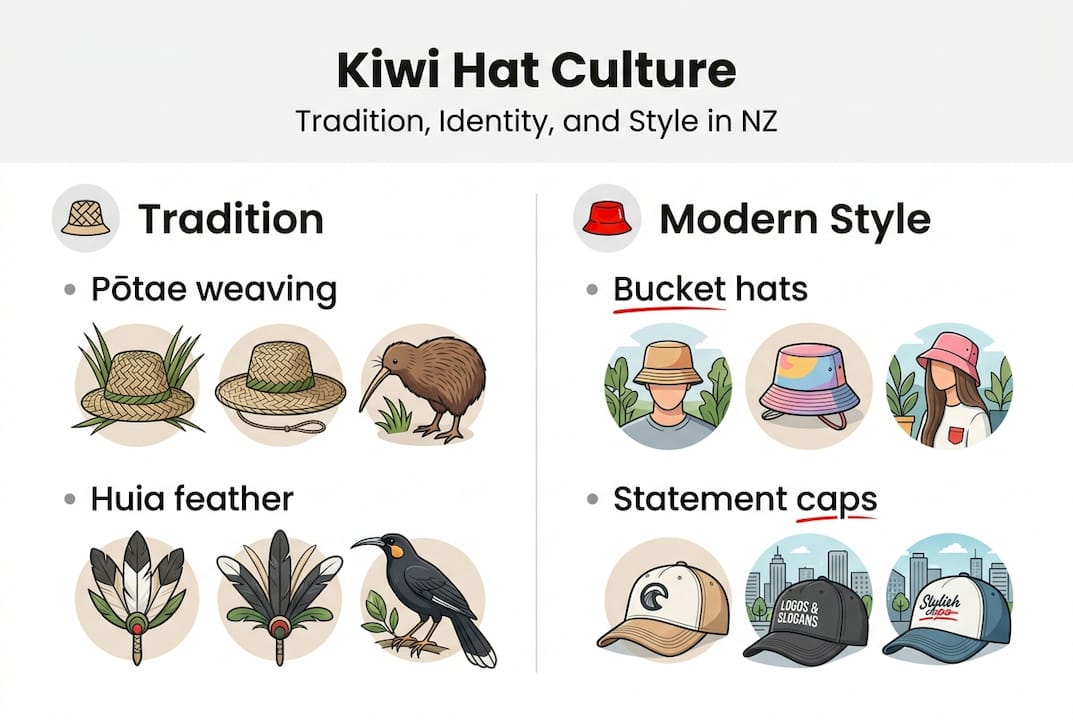
The Waitangi Day fashion moment captures this perfectly, where woven hats sit alongside modern kākahu as a unified cultural statement. This blending is not accidental. It reflects a broader Kiwi desire to honor the past while living in the present.
Modern trends shaping NZ headwear right now:
- Heritage weaving revival — Brands incorporating traditional patterns into bucket hats and wide-brim styles
- UV-rated fabrics — Hats built with UPF 50+ ratings for New Zealand’s intense sun exposure
- Waterproof and breathable materials — Essential for outdoor adventures across unpredictable NZ weather
- Eco-conscious production — Recycled fibers and sustainable sourcing gaining traction among younger buyers
- Minimalist design — Clean lines and neutral tones replacing loud logos for a more timeless look
For anyone serious about outdoor living, UV protection and headwear is not a trend. It is a necessity. New Zealand has some of the highest UV index readings in the world, and a quality hat is your first line of defense.
Here is how key hat types stack up for modern Kiwi needs:
| Hat type | Primary material | Best use | Key benefit |
|---|---|---|---|
| Bucket hat | Cotton or recycled poly | Beach, city, festivals | Lightweight, packable |
| Wide-brim fedora | Wool or straw | Outdoor events, travel | UV coverage, style |
| Flat cap | Wool or corduroy | Urban, casual | Warmth, heritage look |
| Beanie | Merino wool | Winter, alpine | Insulation, softness |
| Snapback cap | Structured cotton | Sports, streetwear | Adjustable, bold look |
For a deeper look at how to choose between classic and current styles, the timeless vs trendy hats guide breaks it down clearly. The best choice is always the one that fits your life.
Why the role of hats in Kiwi culture is more relevant than ever
Here is something most hat articles miss entirely. The hat revival happening in New Zealand right now is not driven by nostalgia alone. It is being pushed forward by two forces colliding at the same time: a renewed pride in Māori cultural identity and a growing awareness of environmental responsibility.
Younger Kiwis are choosing hats that mean something. They want pieces that connect them to a heritage, reflect their values, and last longer than a single season. That is a fundamentally different motivation than buying a hat because it looks good in a photo.
We think this shift matters. It means headwear is becoming a more intentional purchase. And that is good for everyone. When you buy a hat with cultural awareness and quality in mind, you are participating in something larger than fashion. You are supporting craft, tradition, and sustainability all at once.
Explore fashion-forward headwear examples to see how Kiwis are already doing this in creative, personal ways. The hat on your head can be your most honest statement.
Express your Kiwi identity with premium headwear
Now that you understand the depth behind Kiwi hat culture, the next step is finding headwear that reflects your own story. At Urban Caps, we stock premium styles that honor both heritage and modern design.

Our classic fedoras hat brings timeless structure to any outfit, while the designer corduroy bucket hat blends texture and trend in one versatile piece. Both are crafted for quality and built to last. Browse the full collection at Urban Caps and find the hat that says exactly what you want it to say. FREE SHIPPING ON ALL ORDERS WITHIN NZ. Proudly NZ owned and operated.
Frequently asked questions
What is a pōtae and what was it used for?
A pōtae is a traditional Māori hat, woven from natural fibers like houhere for sun protection and cultural expression. It served both everyday practical needs and held significance within Māori weaving traditions.
How did huia feathers show status in Māori society?
Huia feathers were worn by high-ranking individuals to signal mana, respect, and ceremonial importance. They were among the most prestigious head adornments in pre-European Māori culture.
What hat styles are popular in New Zealand now?
Bucket hats, wide-brim fedoras, flat caps, and beanies are all popular choices, with many Kiwis favoring styles that blend traditional influences with modern materials and clean design.
Why are hats important for outdoor activities in NZ?
New Zealand’s UV index is among the highest globally, making hats an essential piece of outdoor gear. A quality wide-brim or UPF-rated hat protects your skin during hiking, beach trips, and everyday time outdoors.
How do cultural and fashion trends influence hat choices in NZ?
Woven hats at events like Waitangi Day show how Kiwi hat choices reflect Māori pride, global fashion currents, and growing environmental awareness all at once.